
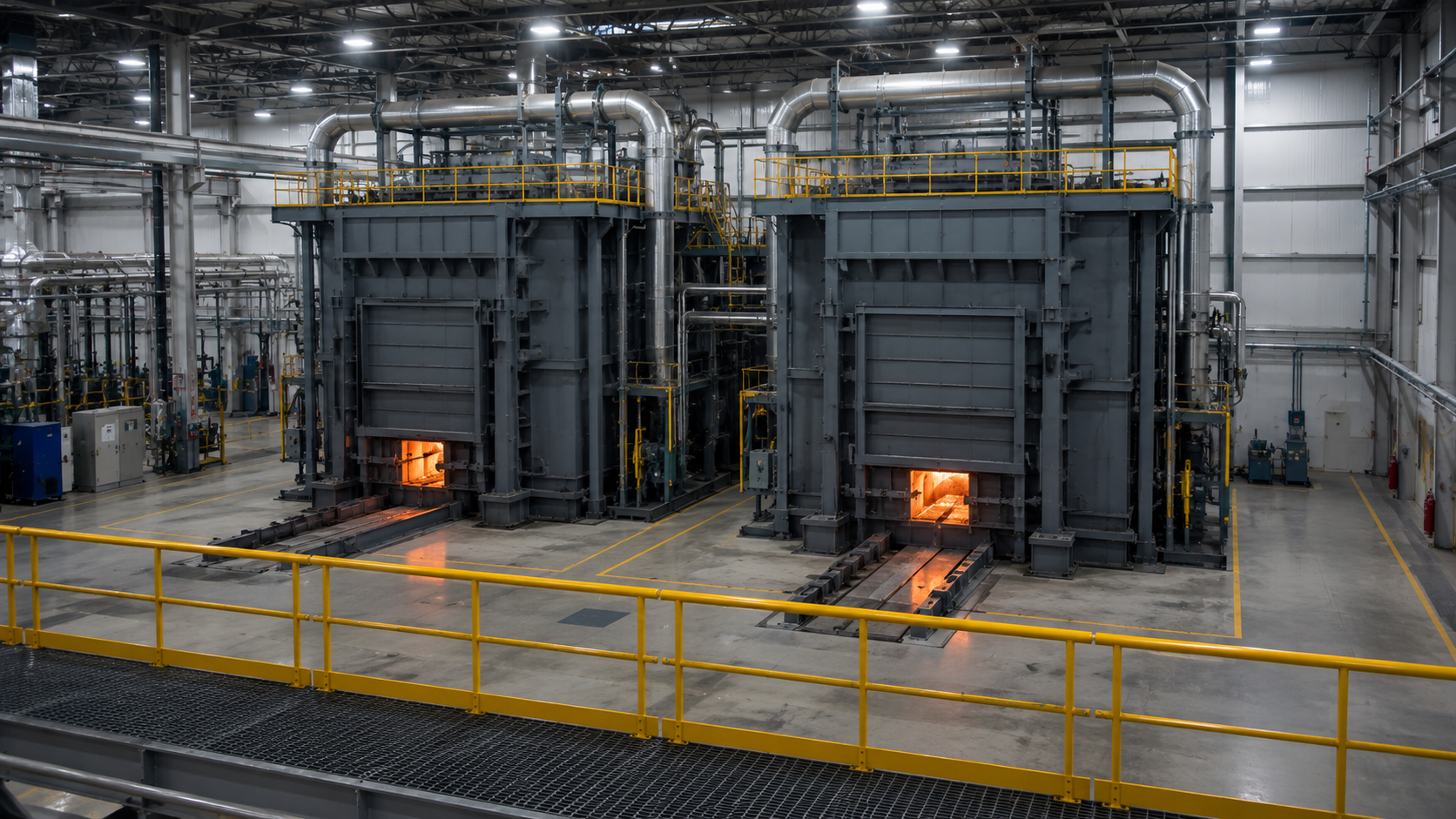
Recycled aluminum, traced to the cast batch.
Orbit remelts scrap into recycled aluminum on its own site in Aqaba, Jordan, then casts and rolls it into coil. Roughly 75% recycled content achievable on select coated coil, confirmed per order and traceable to the cast batch.
Worked example
Up to about 75% recycled.
Roughly 75% recycled content is achievable on select coated coil, for example a 3105 substrate with a PUPA coating, confirmed per order and traceable to the cast batch.
Achievable recycled content depends on the alloy and the project, so we confirm it per specification rather than applying one percentage to everything. We do not publish other recycled-content figures unless they are confirmed for your order.
| Substrate | 3105 aluminum |
|---|---|
| Coating | PUPA |
| Recycled content | Roughly 75% (achievable) |
| Other specs | Achievable content confirmed per specification |
Recycled aluminum vs primary aluminum
Primary aluminum is made from ore: bauxite is refined into alumina (aluminum oxide), and a smelter reduces the alumina to metal by electrolysis. Recycled aluminum, also called secondary aluminum, is made by remelting scrap. In British and international usage the same material is called recycled aluminium. Both routes end in molten metal that is alloyed and cast; the difference is where the metal came from.
Recycled input comes in two kinds. Pre-consumer scrap is process material and offcuts from manufacturing. Post-consumer scrap is metal recovered from products at the end of their life. Both are described in more detail further down this page.
Does recycled aluminum perform like primary aluminum?
When it is alloyed to the same specification and processed the same way, it should. Mechanical and forming properties follow from chemical composition, temper and processing, not from whether the metal started as ore or scrap. A coil made with recycled input and sold as 3105 still has to fall within the composition limits for 3105, and it is rolled and tempered like any other 3105 coil.
The practical limit is on the input side. Scrap carries the alloying elements of its previous product, and most of them stay in the melt, so the share of scrap a cast can take depends on how closely that scrap matches the target alloy. That is why achievable recycled content differs between alloys, as the next section explains.
Orbit's confirmed figure
Orbit's claim is deliberately narrow: about 75% recycled content is achievable on select coated coil, for example a 3105 substrate with a PUPA coating. The figure is confirmed per order and traceable to the cast batch, and it is not applied to other alloys or coatings until they are confirmed. The guide to what a recycled content figure on aluminum coil means covers how to read and check such a number, and pre-consumer vs post-consumer aluminum scrap explains the two scrap types in depth.
How recycled content is calculated
Recycled content is the share of the metal in a product that comes from recycled rather than primary aluminum. For coated coil it is calculated on the substrate (the aluminum itself); the coating is a thin surface layer and is accounted for separately. Orbit works the figure out at the cast-batch level, because that is where the proportion of recycled input is actually set.
Why it varies by alloy and batch
Different alloys tolerate different proportions of recycled input while still meeting their chemistry, so achievable recycled content is not a single number across the range. It also depends on the scrap available for a given cast. This is why Orbit confirms a figure for your specific alloy, coating and order rather than publishing one percentage for everything. The confirmed worked example is 3105 with a PUPA coating at approximately 75%.
Pre-consumer and post-consumer scrap
Recycled content is usually split into two types. Post-consumer (old) scrap is metal recovered after it has served a life in a product, such as used beverage cans. Pre-consumer, or post-industrial (new), scrap is offcuts and process material from manufacturing that never reached an end user. Both reduce demand for primary metal, but many reporting frameworks count them differently, so it helps to know the split, which Orbit can describe for your cast.
Inside the quality chain.
Recycling, rolling, and coating in one operation, so recycled metal stays inside the same controls as the rest of the coil.
How the loop works
Using your figure in sustainability reporting
A recycled-content figure is only useful if you can put it into your own reporting. Some buyers need a documented recycled-content figure for their own sustainability reporting and procurement requirements. Those frameworks and any credits are yours to claim; Orbit's role is to supply an accurate, traceable figure toward them.
We provide a batch-level recycled-content figure tied to the cast batch for your order, confirmed per order, which you can cite in your documentation. Orbit does not hold sustainability certifications on your behalf, and buying Orbit coil does not by itself grant any credit. What it gives you is a defensible, batch-level recycled-content figure to report.
Get your figure
How to request your figure.
To get an achievable recycled-content figure for your project, send us:
- The alloy and temper you need.
- The coating system and finish, if the coil is coated.
- The gauge, width and order quantity.
- The reporting framework you need data for, if any.
We will confirm the achievable recycled content and what we can document for your records.
Common questions.
How much recycled content can I get?
Roughly 75% is achievable on select coated coil, for example a 3105 substrate with a PUPA coating, confirmed per order and traceable to the cast batch. The achievable figure for your exact alloy and coating is confirmed per specification.
How is recycled content calculated?
On the substrate (the aluminum itself), at the cast-batch level; the coating is accounted for separately. It varies by alloy and by the scrap available for a cast, so we confirm a figure for your specific order.
What is the difference between pre-consumer and post-consumer recycled content?
Post-consumer (old) scrap is metal recovered after a product's life, such as used beverage cans; pre-consumer (post-industrial, new) scrap is manufacturing offcuts. Both reduce primary metal demand, and we can describe the split for your cast.
Does recycled content affect quality or finish?
In the worked example the finish is specified and confirmed per order. Because recycling, rolling and coating sit in one quality chain, recycled coil is held to the same controls as the rest of our production.
Can you provide recycled-content data for our reporting?
Yes. We supply a batch-level recycled-content figure traceable to your cast batch, confirmed per order, which you can use in your own sustainability reporting. Those certifications and credits remain yours to claim; Orbit does not hold them on your behalf.
Specifying recycled-content coil?
Send the alloy and coating, we will confirm the achievable figure. Include your application, substrate (aluminum or steel), alloy, gauge, width, coating, color, quantity and destination. We respond to RFQs within one business day.