
Aluminum cladding in PVDF and HDPE, for facade fabricators.
Coated coil and flat sheet for aluminum cladding, in PVDF and HDPE, architectural colors and metallic finishes, up to 1350 mm wide and matched to your reference.
- PVDF
- Metallic, solid, brushed, textured
- Up to 1350 mm coated
- RAL or custom color
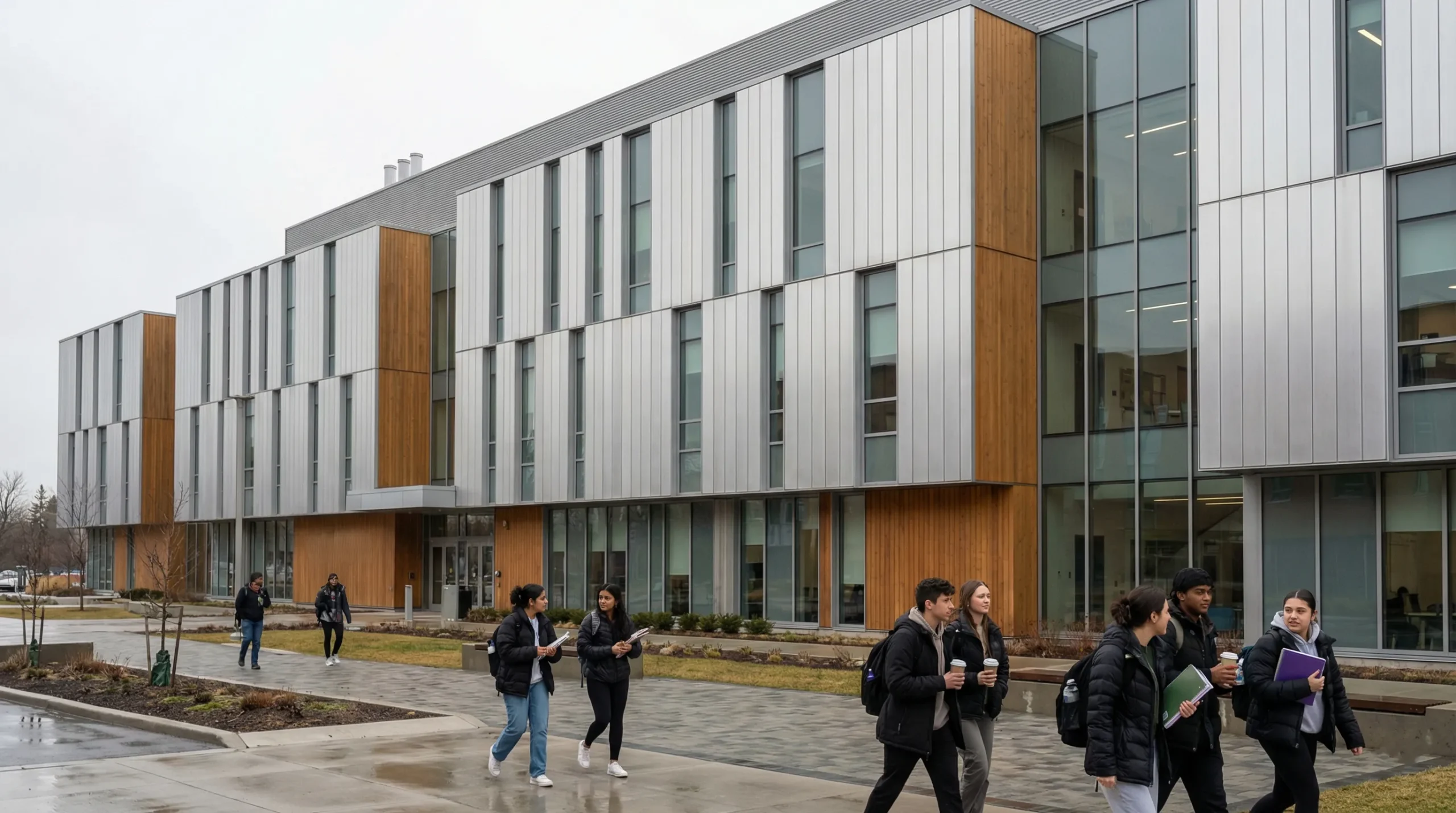
New build or refurbishment.
New facades or recladding: coil that forms predictably on the brake and the wall.
Coating systemsCoil specification.
| Coatings | PVDF (architectural), HDPE |
|---|---|
| Thickness | 0.20 to 2.00 mm rolled; up to 1.60 mm coated (cladding gauge on request) |
| Coated width | Up to 1350 mm (mill width up to 1650 mm) |
| Coil weight | Up to 10 tonnes |
| Minimum order | 6.5 MT (±10%) |
| Finish | Solid, metallic, textured; RAL or custom |
| Warranty | 5 to 20 years by application and environment |
Guidance
Recommended specification.
A typical starting point for facade and rainscreen cladding coil.
| Coating | PVDF |
|---|---|
| Finishes | solid, metallic, brushed, textured |
| Color | full RAL and custom |
Exact alloy, gauge and coating are confirmed per order, share your spec in an RFQ.
Aluminum cladding requirements
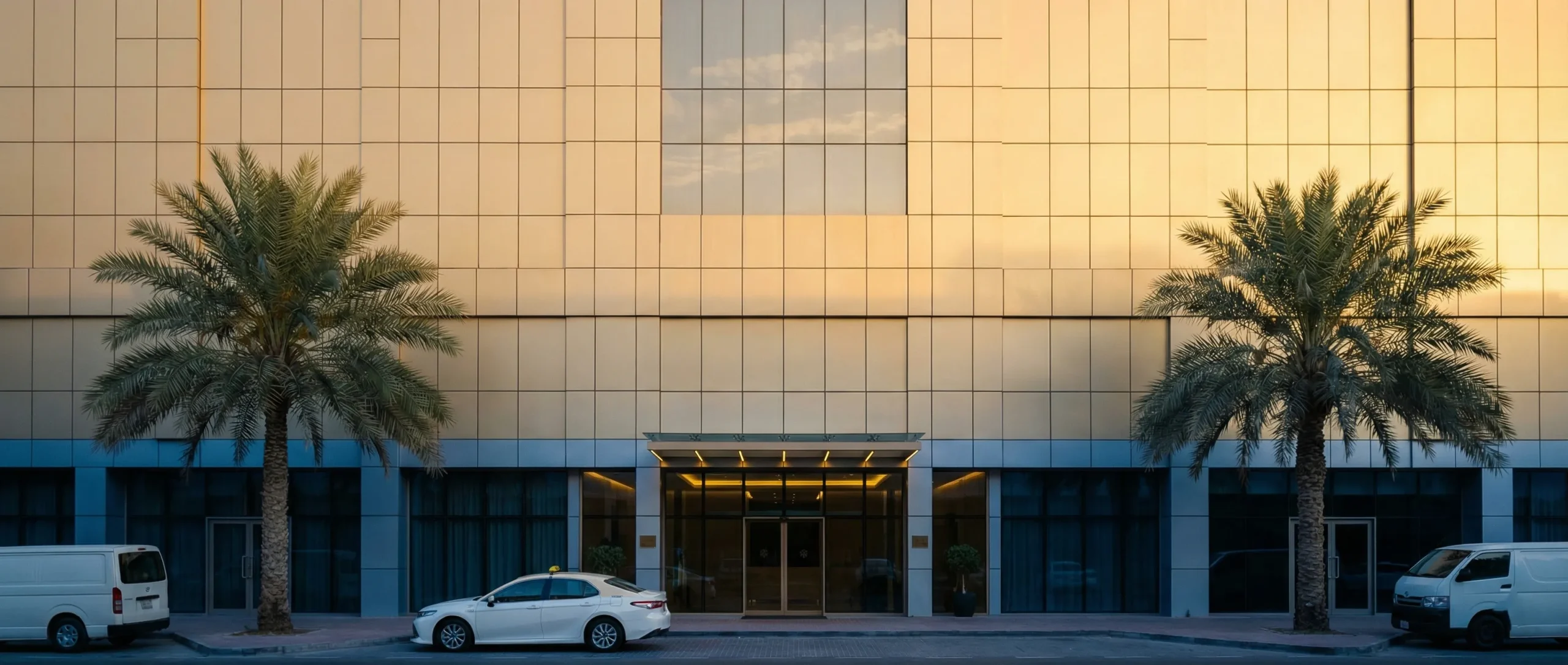
Facade and rainscreen cladding is highly visible and exposed for decades, so color retention, finish quality and panel-to-panel consistency dominate the specification. PVDF resists chalking and fade on large exposed elevations; metallic and special finishes give architects design range.
Considerations
- Consistent coating across the full coil keeps large facades uniform.
- On coastal sites PVDF's UV and chalk resistance matters most, and corrosion performance depends on the pretreatment, primer and cut-edge protection.
Cladding is often fabricated as a composite panel (ACP) or as a single-skin rainscreen tray; both start from coil that is coil-coated flat, then cut, folded and fixed to a support frame by the fabricator. As a general rule in the industry, exposed facades are specified in PVDF for long color hold, while sheltered areas can use a lower-cost system. Orbit supplies the prepainted coil, see prepainted aluminum coil and ACP.
Coil and sheet for cladding fabricators
Facade fabricators buy in two forms. Coil feeds roll-forming lines that make profiled siding, plank and interlocking panels, and composite panel lines that bond two coated skins to a core. Flat aluminum cladding sheet suits fabricators who rout, fold and rivet trays and cassettes on a brake. Orbit slits and cuts to length in house, so the same coated material can ship as coil, slit coil or flat sheet; see slitting and cut-to-length for how the sheet is produced.
Coil-coated facade panels are formed after coating, so the paint film is bent at every fold. State the tightest bend radius and whether the panel is routed and folded, so the coating and temper can be checked against it. Gauge, alloy and sheet size are confirmed per order against your system drawings.
How to choose a coating system by exposure
Start from the site, then the elevation. A coastal or industrial site with strong UV and a visible, warranty-backed facade points to PVDF. A sheltered soffit or an inland, low-rise elevation can use a lower-cost system. The PVDF coated aluminum page explains why the fluoropolymer resin holds color longer, and the facade cladding specification guide lists what to put in the spec.
| Exposure | Usual starting point |
|---|---|
| Coastal, industrial or high UV, visible elevation | PVDF |
| Inland, exposed elevation | PVDF, or HDPE where the budget and design life allow |
| Sheltered soffits, canopies and interior walls | HDPE or another lower-cost system |
Finishes and color
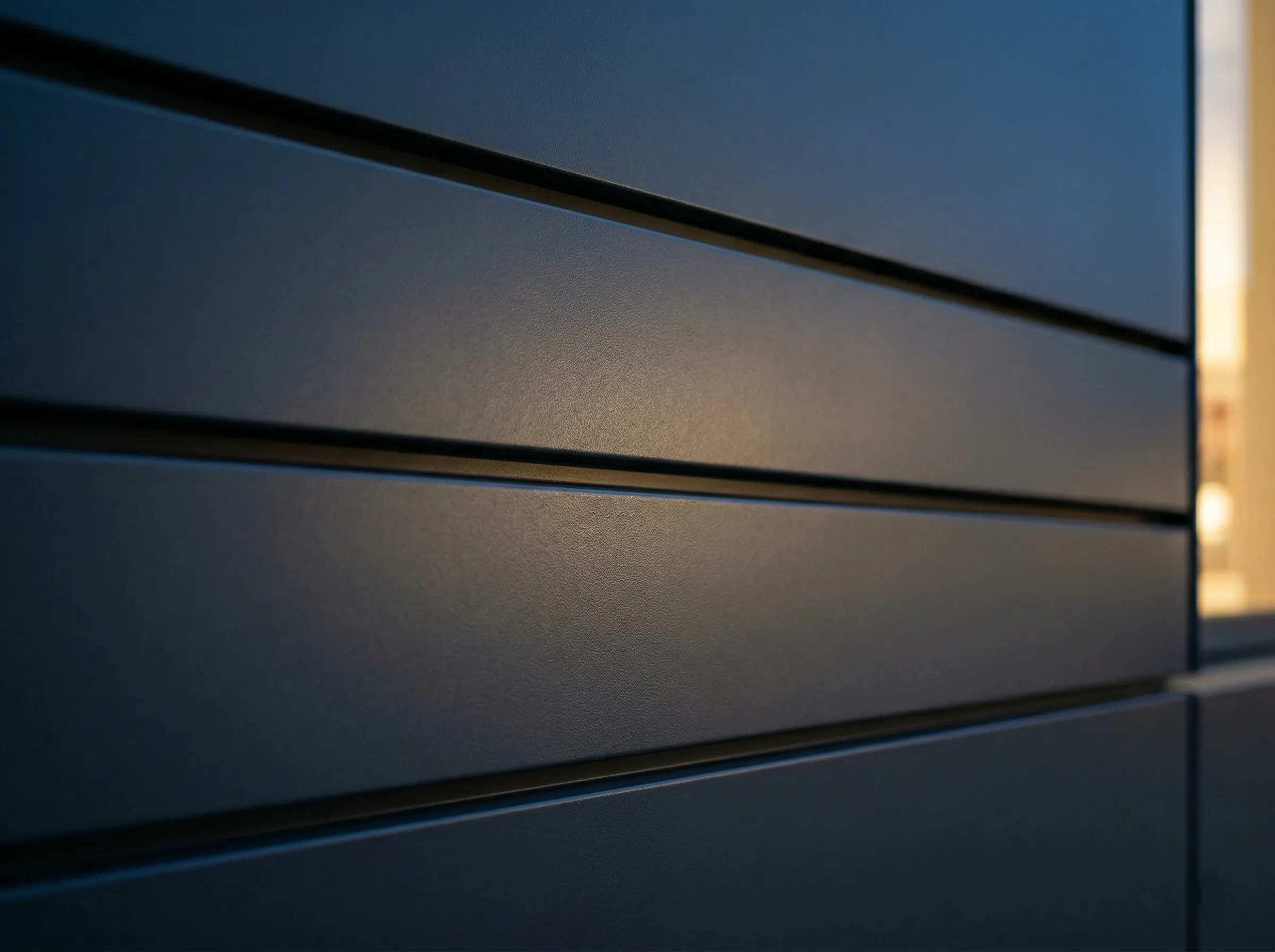
Finishes for facades include solid, metallic, brushed, textured and woodgrain, in matte or gloss, matched to a RAL number or a custom sample. Anti-graffiti finish suits ground-floor elevations in public areas. Compare them on the aluminum finishes page. On a large facade, order each elevation from a single production run where you can, because color from separate runs can vary slightly even against the same reference.
Fire performance
Fire classification belongs to the tested cladding system, including the panel core, insulation, cavity and fixings, not to the coated skin alone. It is confirmed by the panel or system maker against local building codes, for example the EN 13501-1 reaction-to-fire classes in Europe.
Quality & compliance
Testing and documentation.
Certified management systems
Orbit's management systems are certified to ISO 9001 (quality), ISO 14001 (environment) and ISO 45001 (occupational health and safety).
Tests that matter here
Coated coil can be tested for UV / accelerated weathering, gloss retention, salt spray and color difference (delta E); test reports for a given order are available on request. See quality & certifications for how this is documented.
Documentation with the batch
Material certificates accompany every batch; ASTM and EN references are available on request.
Cladding questions.
What is aluminum cladding?
Aluminum cladding is coated aluminum sheet or panel used as a building's exterior facade skin, chosen for light weight, corrosion resistance and long-lasting color. Orbit supplies the prepainted coil it is formed from.
What coating is best for aluminum cladding?
PVDF is specified for its UV and weather resistance and its resistance to chalking on visible facades.
Do you supply flat sheet as well as coil?
Yes. Orbit slits and cuts to length in house, so cladding material can ship as coil, slit coil or flat sheet. Sheet sizes are confirmed per order.
Can cladding coil come in metallic finishes?
Yes. Metallic, brushed and other special finishes are available, matched to your reference.
Is aluminum cladding suitable for coastal buildings?
Generally yes, with a PVDF system, a suitable alloy and protected cut edges; warranty terms for a coastal site are confirmed per project.
What thickness is typical for cladding?
Cladding gauge is confirmed per order: 0.20 to 2.00 mm rolled; up to 1.60 mm coated.
Does it come as ACP?
Cladding can also be fabricated as aluminum composite panel, and Orbit supplies the coated coil for both. See ACP.
What to send with your RFQ.
Include these and we can return a coil specification and quote without back-and-forth.
- Application and substrate (aluminum or steel)
- Alloy and temper, if known
- Gauge and coil width
- Coating system and color (a RAL number or a sample)
- Quantity and destination port
Our technical office reviews every RFQ and replies with a specification and quote. We respond to RFQs within one business day.
Cladding a facade?
Send the panel gauge, width and color, we will quote a coating system suited to coastal exposure. Include your application, substrate (aluminum or steel), alloy, gauge, width, coating, color, quantity and destination. We respond to RFQs within one business day.